Category Archives: Uncategorized

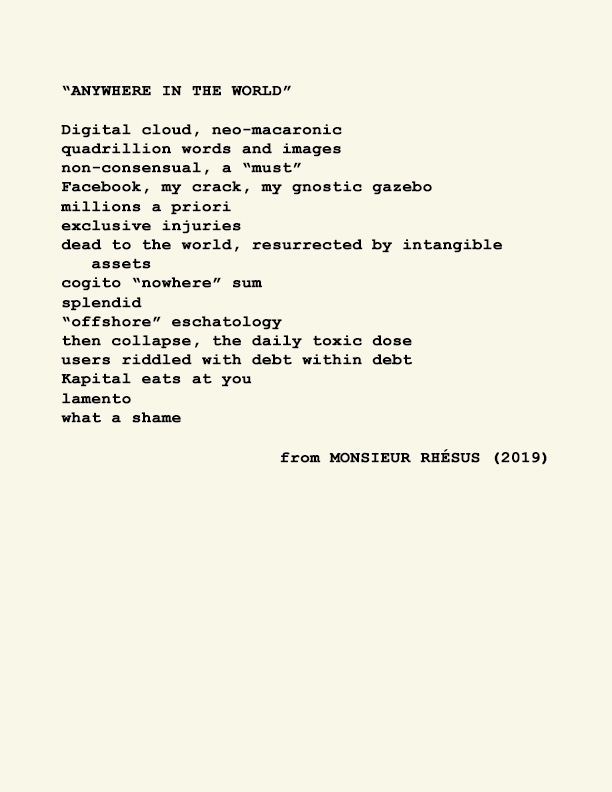
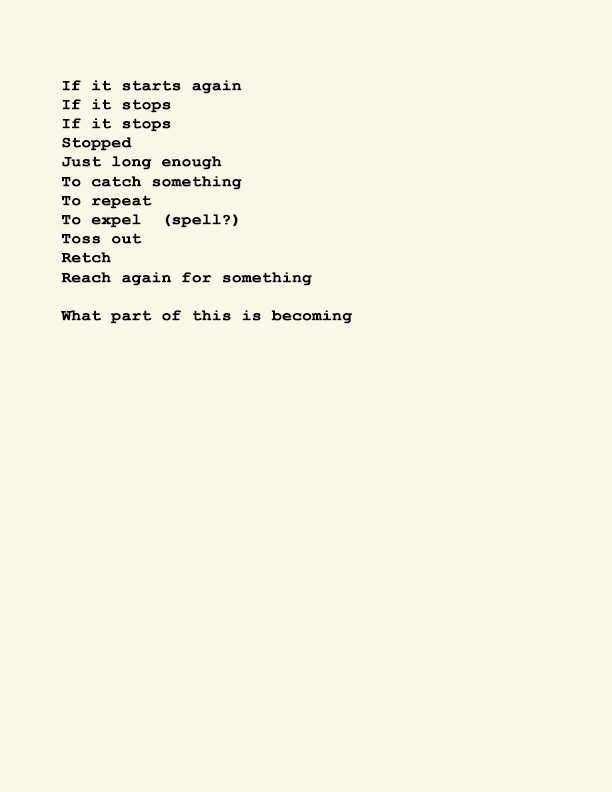
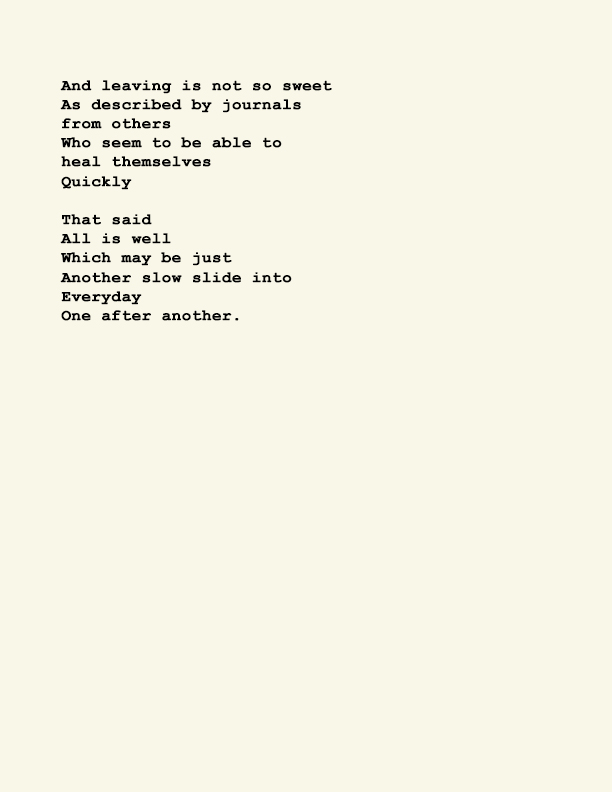
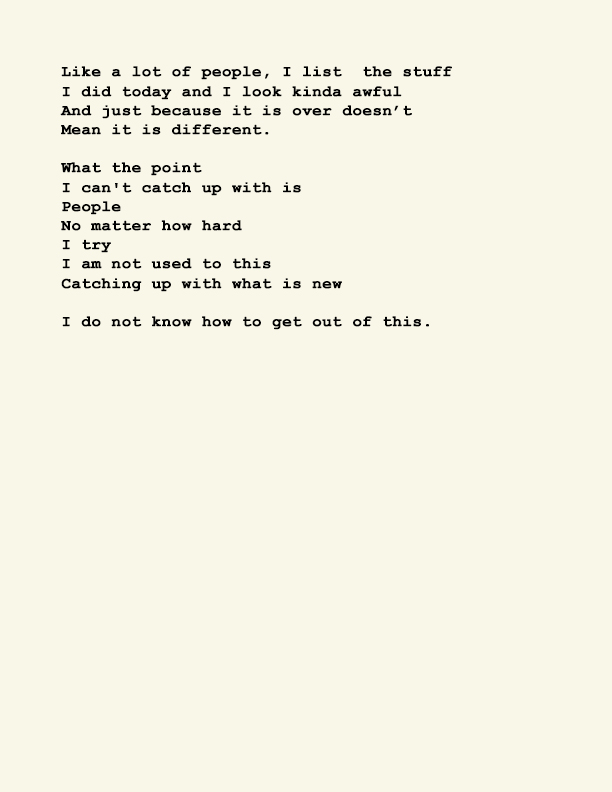
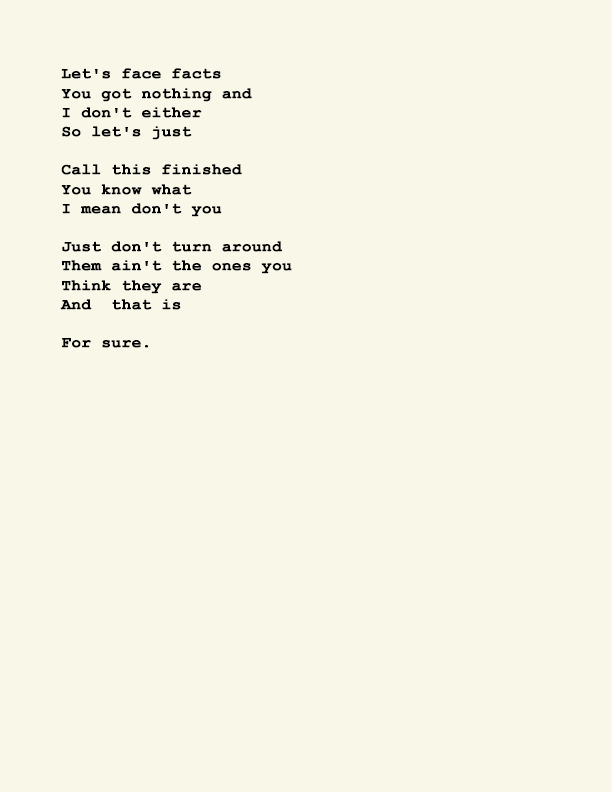
Chance Demographic

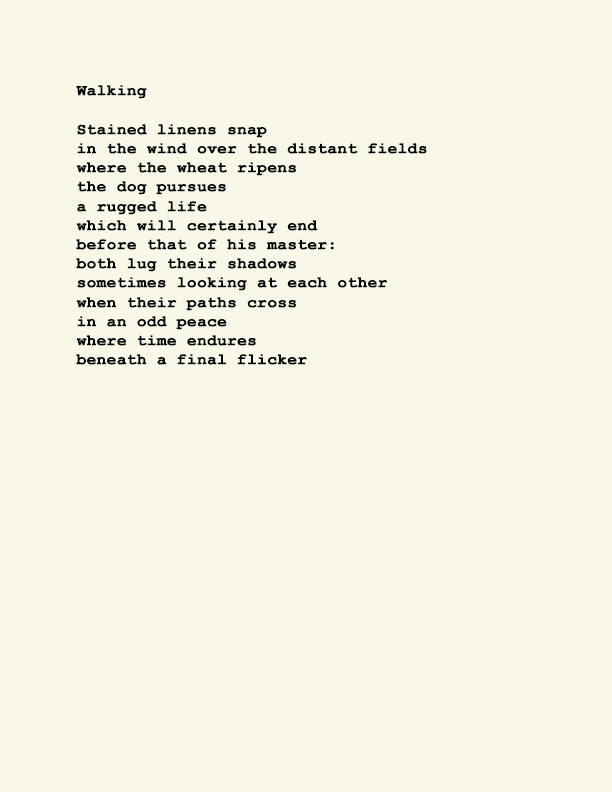
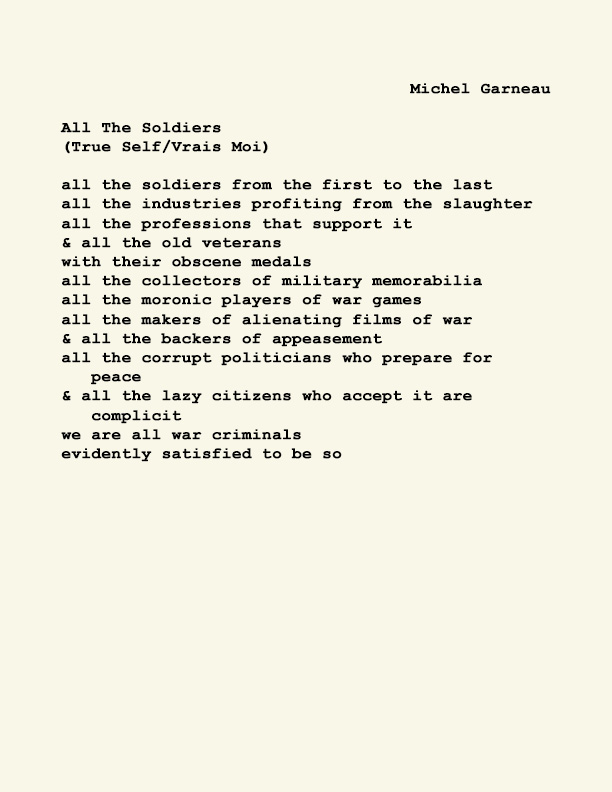
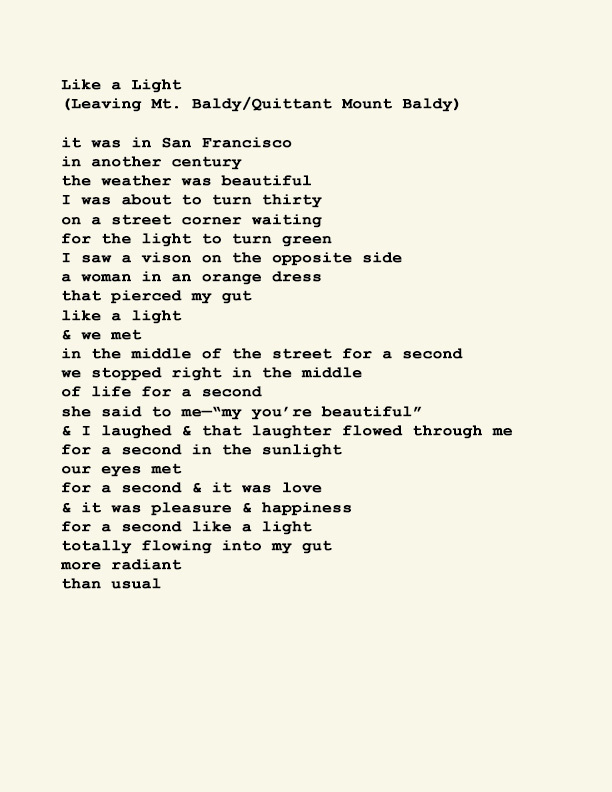
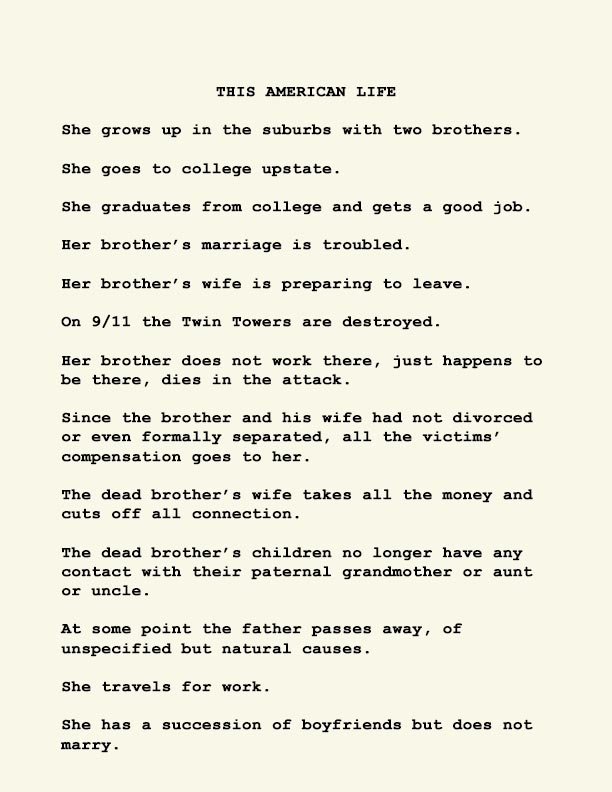
Chance Demographic by Simon Schuchat printable pdf

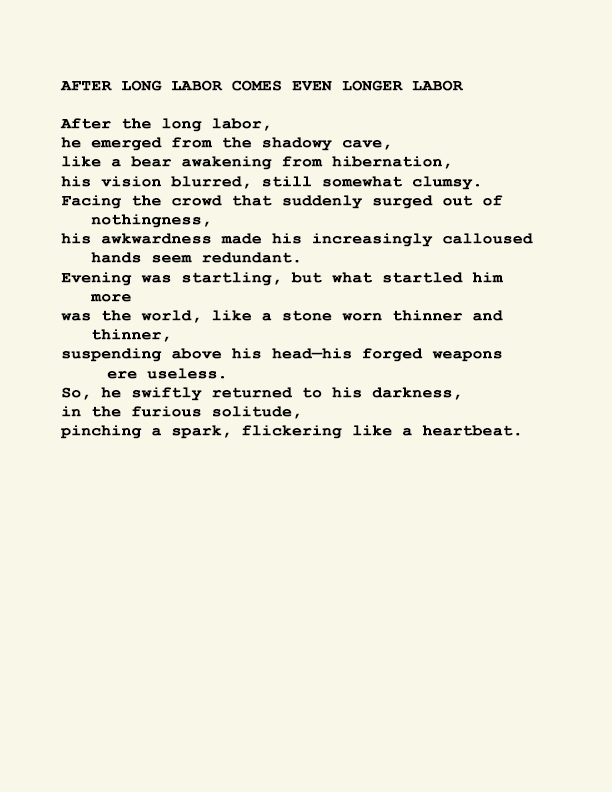
Simon Schuchat has lived in New York, Chicago, Shanghai, Tokyo, Beijing and Moscow, just to name a few. His translations of Chinese and Russian prose and poetry have appeared in various anthologies and magazines, as has his own poetry, which has also been published in five collections, most out of print except for latest, THE CENTOS OF SIMON SCHUCHATfrom Aerialedge Books in DC. According to Kathy Acker, “his poetry doesn’t tell you stuff: it is consciousness.” Soviet Textshis translations of Moscow conceptualist poet Dmitri Prigov came out in 2020 from Ugly Duckling Presse. His translation of Zhang Henshui’s 81 DREAMS will appear from Chinese University of Hong Kong’s Renditions Press in the near future.

How To Be A Poet In China-I

How To Be A Poet In China, Part I by Ma Yongbo printable pdf

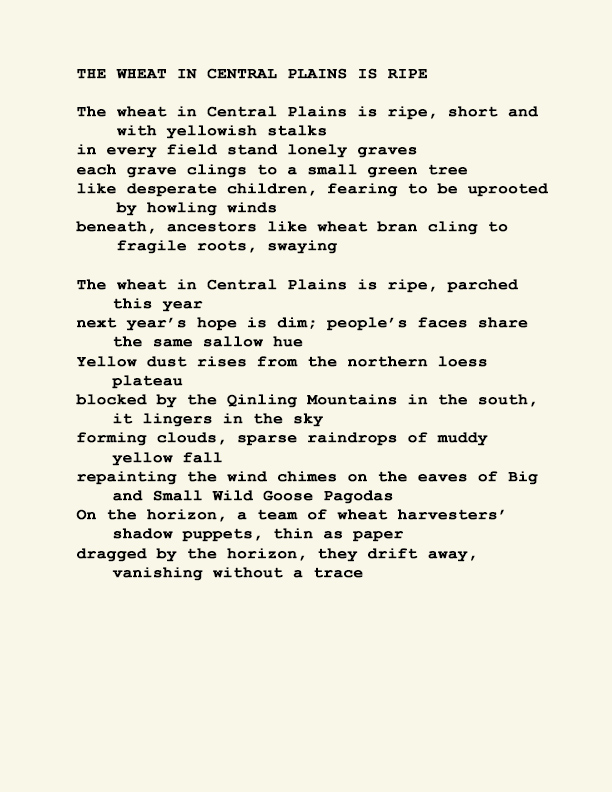
Poet Ma Yongbo was born in 1964 in Heilongjiang Province, China. As a poet, he is repre-sentative of Chinese avant-garde poetry. He is also a leading scholar in Anglo-American postmodernist poetry. Since 1986 Ma has published over eighty original works and translations. He is a professor in the Faculty of Arts and Literature, Nanjing University of Science and Technology. His studies center around Chinese and Western modern poetics, post-modern literature, and eco-criticism.

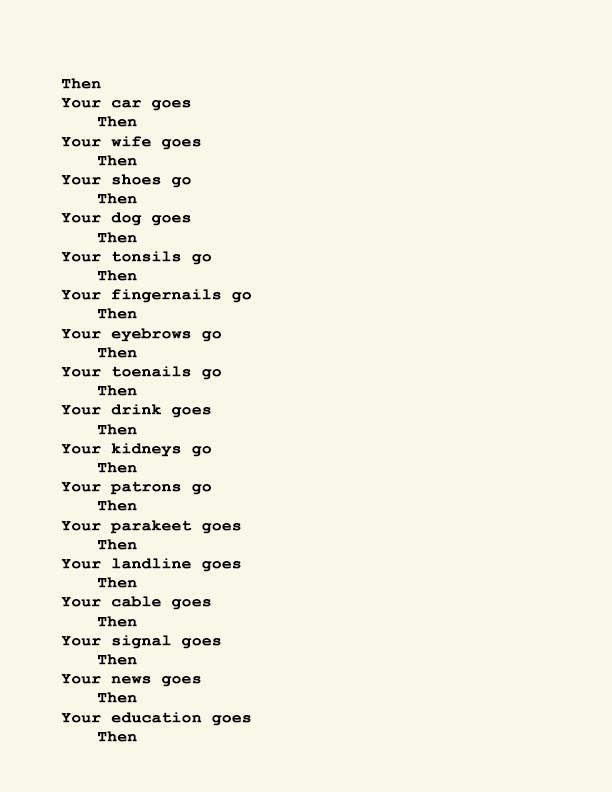
Hesitations

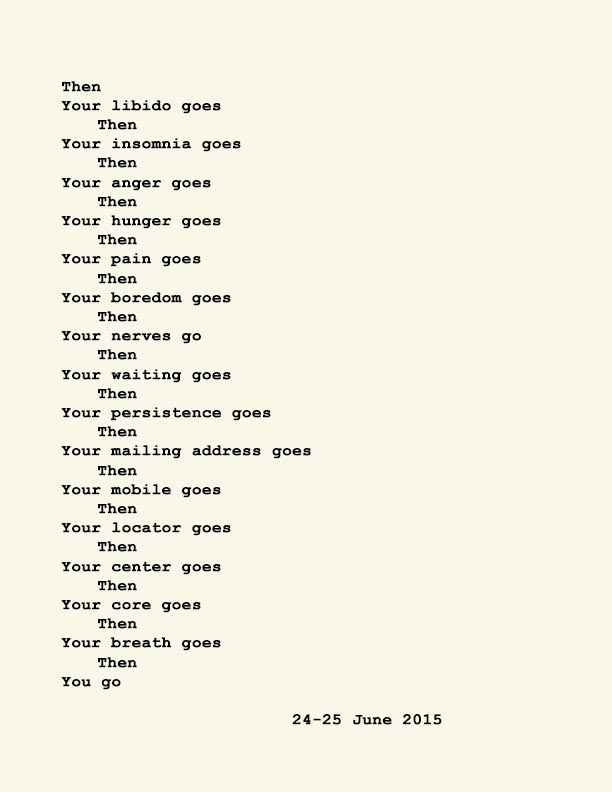
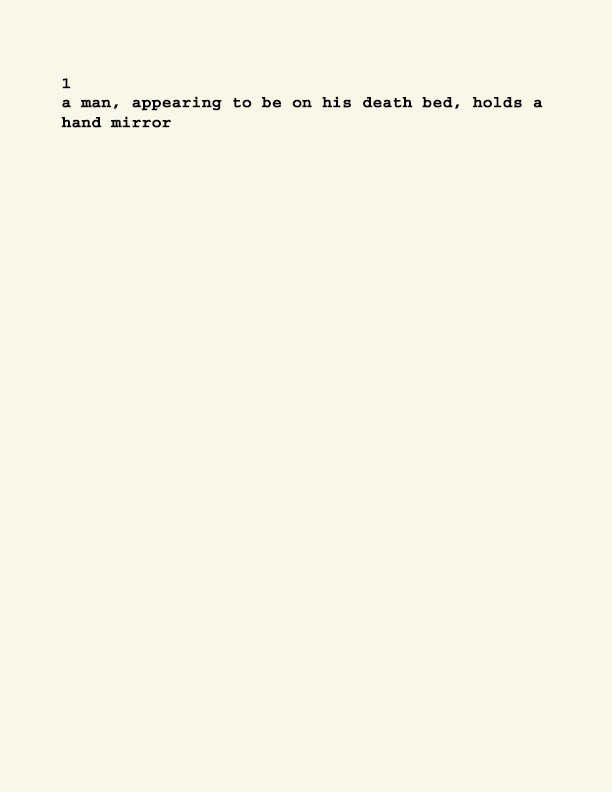
Hesitations by Rick Henry printable pdf

Rick Henry’s most recent publication is Bottoms, a stage play. The novella, Colleen’s Count and the epistolary novel Letters (1855), are set in the fictional town of Homer, NY. His other books include: Snow Fleas (a Reverie) and Then (54 text blocks), both from ANC. Just completed is The Soot Collection: 55 consensual novellas born of a brief exchange about surrealism and the erotic. Rick Henry has lived across the United States, but always returns to the sensibilities, landscapes, and histories of upstate New York.

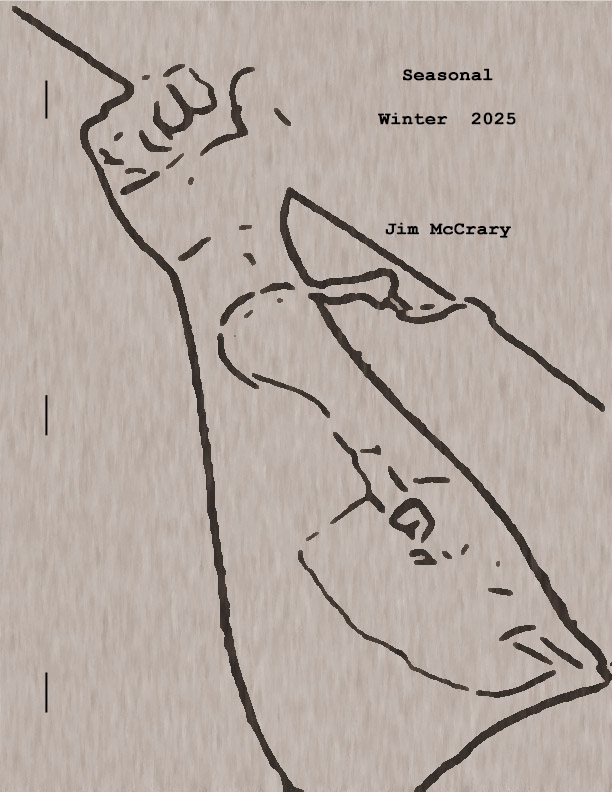
Seasonal

Seasonal by Jim McCrary printable pdf

Jim McCrary’s first poems were published in the mimeo format of Grist Magazine 1966 in Lawrence Ks. Grist was edited and published by John Fowler and later went from mimeo to letterpress and finally to one of the first online mags as Grist-on-Line. Jim published 4 books, dozens of chapbooks and lots of poems in many obscure electronic and print magazines. Over the years he sat in McSorley’s with Paul Blackburn sharing bad poems with him. He sat on the roof of a hotel in Lawrence with Ed Dorn and they  drank Old Style beer with John Moritz and Ken Irby. He studied with David Bromige at Sonoma State and spent time with Nolan, Mariah, Grenier, Kyger, Tills, Chadwick and others. It was the best of times. He worked most of a decade as Office Manager for William Burroughs in Lawrence, KS. McCrary is an old man and still lives in Lawrence, Ks.

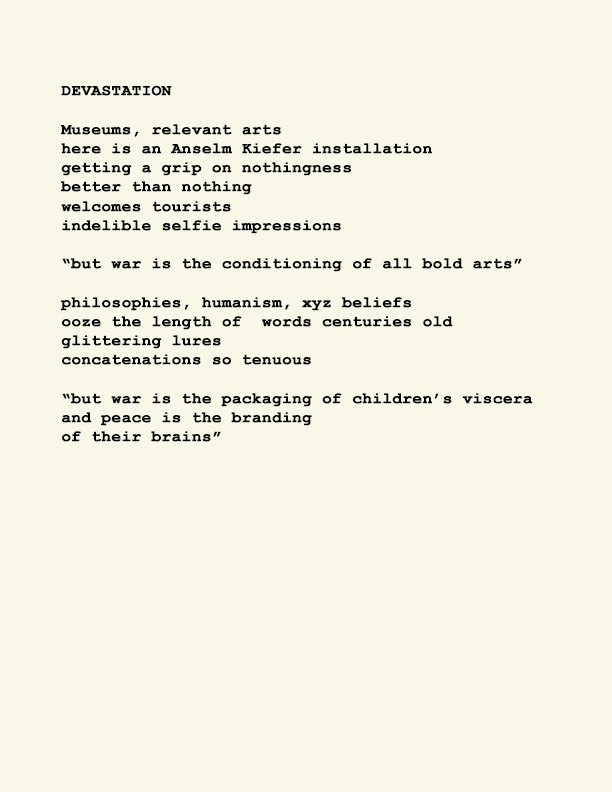
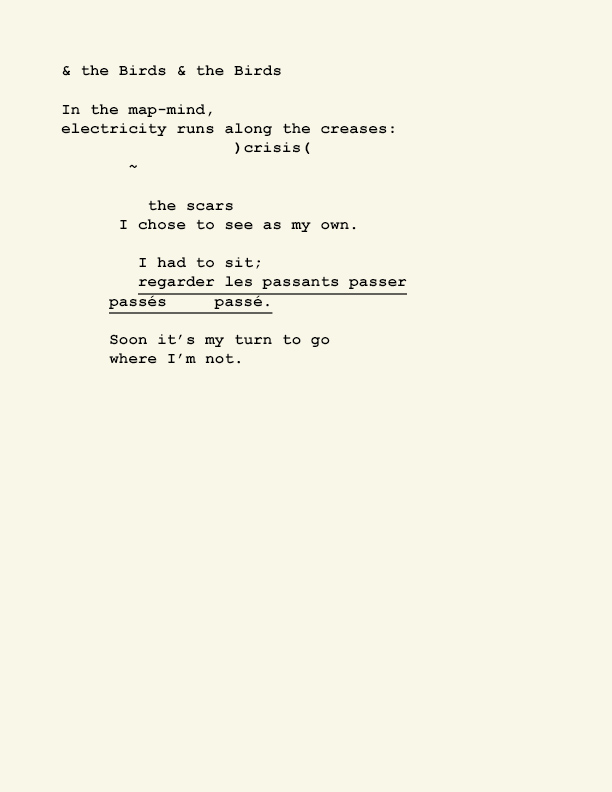
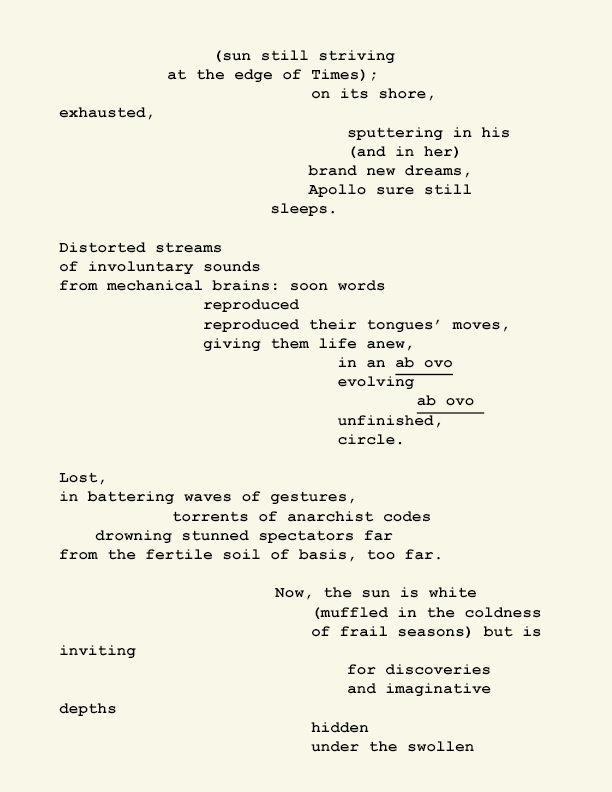
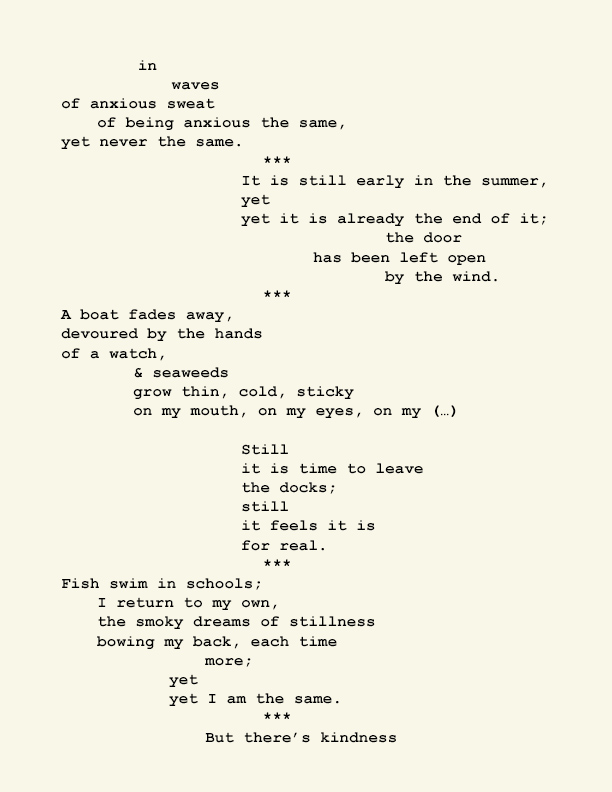
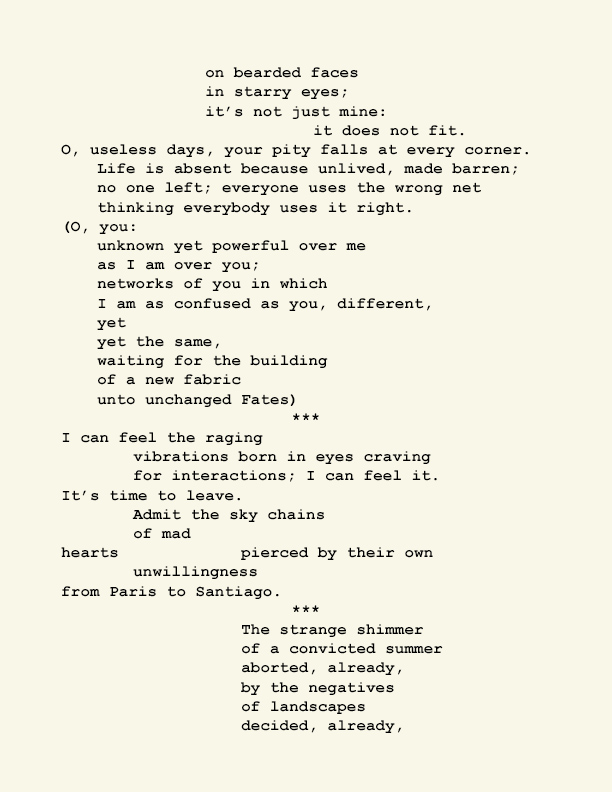
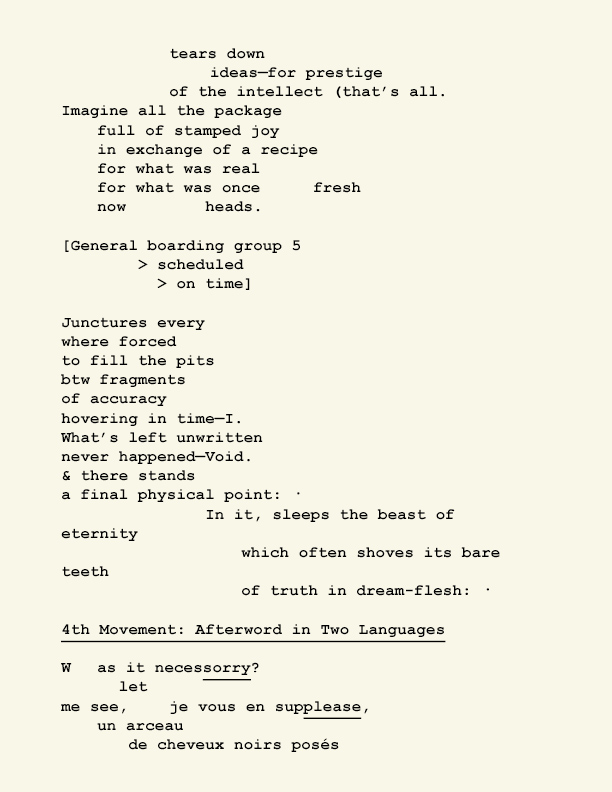
Damnatio Memoriae

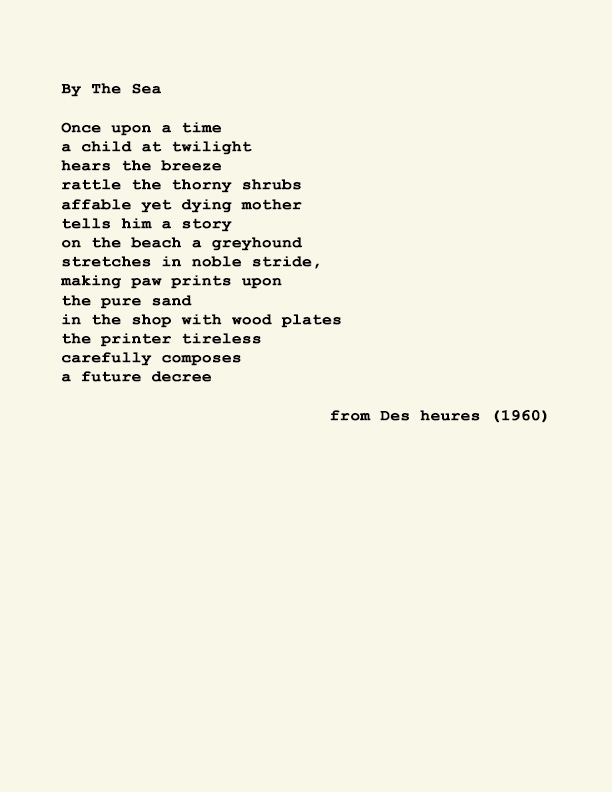
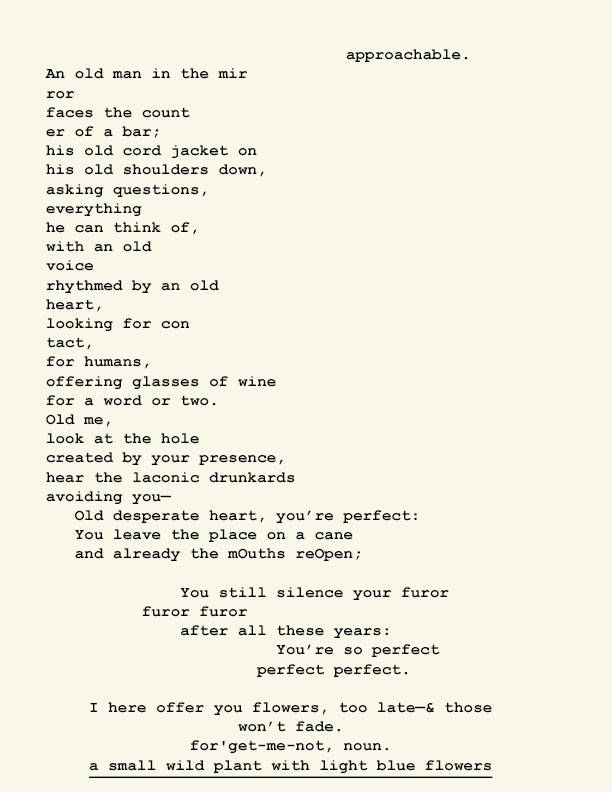
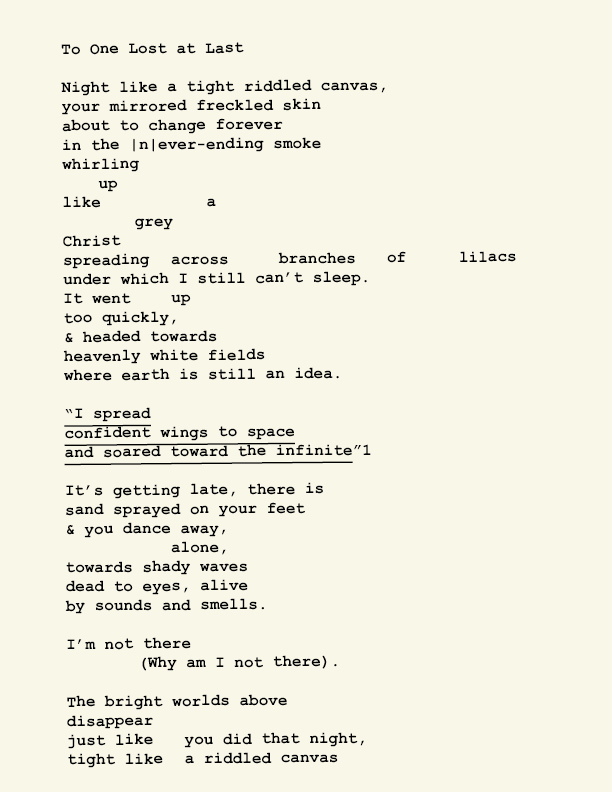
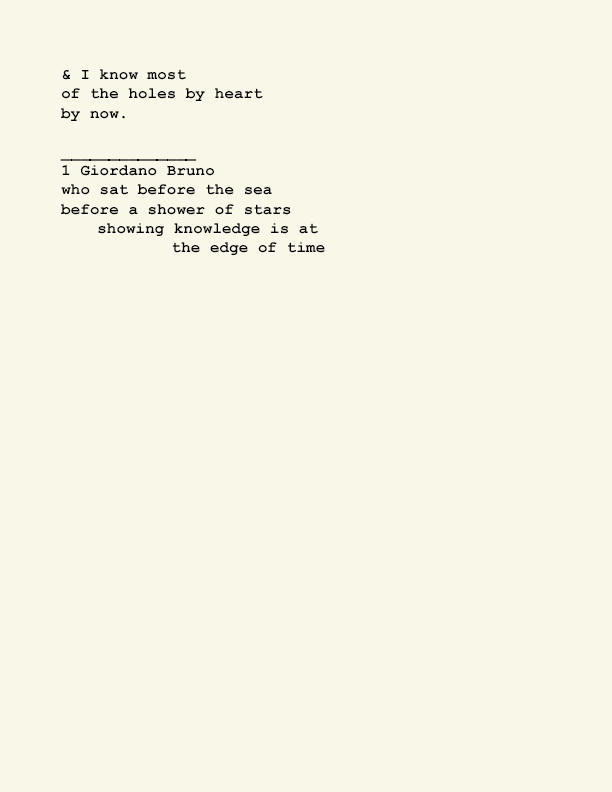
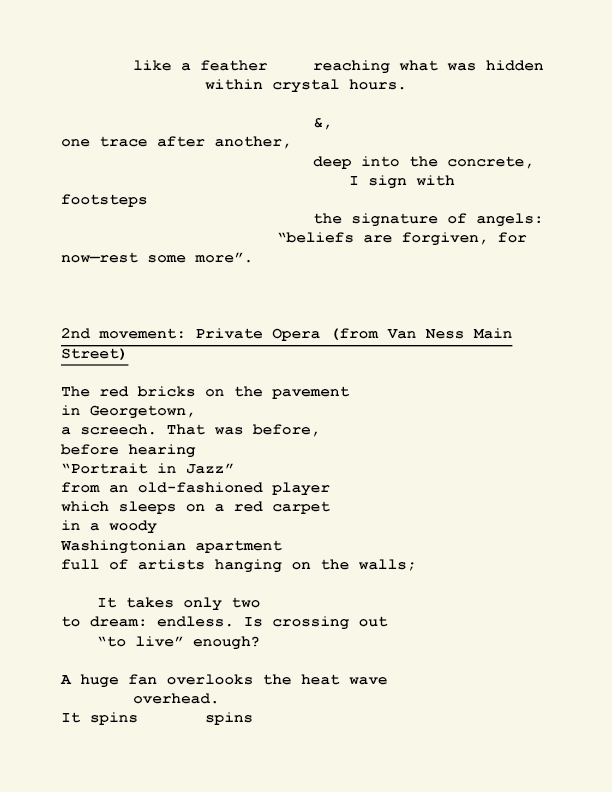
Damnatio Memoriae by Aleandre Ferrere printable pdf

Alexandre Ferrere is a 34-year-old librarian living in Caen, France, and has a PhD on American poetry and little magazines. His poems and essays can be found both online and in print, and his latest experimental chapbook titled From Tomorrow, With Love has been published by Ethel in January 2025. Alexandre could have been a flower but cried himself to a human being.

Women Poets Postcards ’24

~Women Poets Postcards~
Postcards are individually printed by hand
on repurposed commercial utility cardboard inserts
using a combination of carved linoleum blocks and stencils.
Each series is limited to 25 sets of 3 postcards each,
numbered and signed with the Old Goat seal.

~Series 1, 2, & 3 are out of print~


Series 4
now available for a limited time
$25 USD per set

Artist Proofs
Selected artist proofs consisting of seconds
with slight imperfections from each series
are also available for $10 each

go to How To Order for details

INVENTORY SALE

INVENTORY SALE
ALL TITLES $5 OFF

Nualláin House poetry titles are priced at $16 retail
now going for $11 each!!
Get a great deal on some great poetry and
FREE SHIPPING
with purchase of more than one book
see How To Order on the menu bar

Titles available include

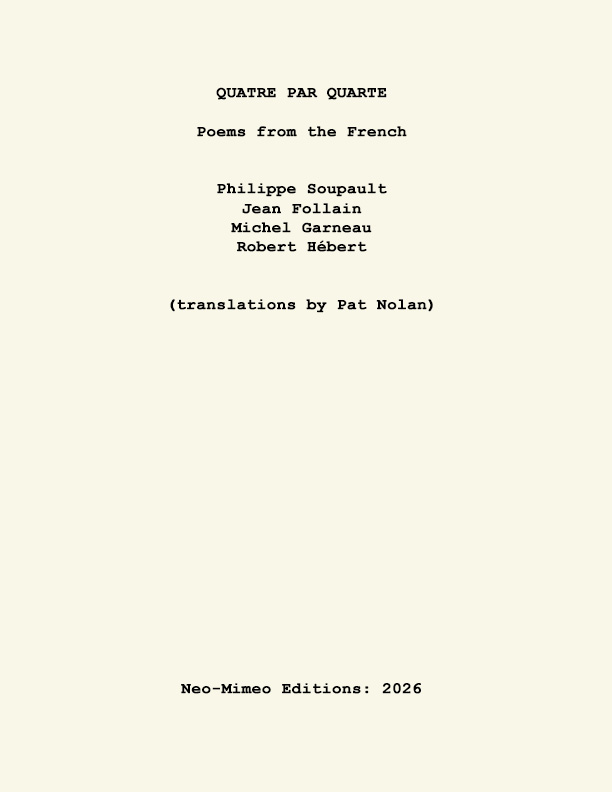
So Much, Selected Poems, Volume I Handwritten Typewriter (1969-1989) & II Notebook Keyboard (1990-2010)by Pat Nolan (Nualláin House, 2018, 2019)

The poems selected here are representative of an acquired esthetic sourced outside of the doctrinaire Anglo-American literary tradition. They do not aim at rhetoric nor do they seek to persuade. Their primary intent is to present the fine distinctions of a perceptual identity in a uniquely spontaneous improvisational manner to the ear as well as to the page. “If I have any purpose as a poet it is to remove myself from the musty authority of an entrenched academic conservatism and approach the word in its current state of utter mutability,” Nolan states in the introduction to this two volume selected poems.
“Pat Nolan is one of the poets, Ted Berrigan once said, that you have to always keep an eye on because he can do unexpected startling things that leave you eating his dust.”
— Andrei Codrescu, author of  So Recently Rent A World: New and Selected Poems, 1968-2012.


Exile In Paradise by Pat Nolan (Nualláin House, 2017)

The poems of Exile In Paradise are derived from a lifelong appreciation of classical Chinese poetry. Although removed by degrees of separation from the originals in time and language, their impulse remains the same: to call up the perceptual as a song of celebration in sacred engagement with the world.
“Nolan has given Solitude, itself, a voice in this rich lyric of nature. A luminosity of flickering bursts pause and magnify now moments of being alive. His quotidian soaks us with its presence. His lines trace the air.”
—Maureen Owen, author of Erosion’s Pull and Edges of Water


the thousand marvels of every moment, a tanka collection by Pat Nolan (Nualláin House, 2018)

Tanka is the modern name for a short five line poem known throughout the history of Japanese literature as a waka
“Pat Nolan’s new collection of short poems the thousand marvels of every moment is a late harvest wonder. Distilled in the key of tanka, these poems make sparks out of crumpled paper & ‘fine white rain.’ No better description of the book than from within: 
through the particle haze dance
joy and marvel of the mind”
—Eric Johnson, poet, master printer


Poetry For Sale, Haikai no Renga (linked poetry), introduction by Pat Nolan with linked verse by Keith Kumasen Abbott, Sandy Berrigan, Gloria Frym, Steven Lavoie, Joen Eshima Moore, Maureen Owen, Michael Sowl, John Veglia (Nualláin House, 2015)

This collection of linked poetry presents a fascinating excursion in comparative literature by a cross-section of exceptional, widely published American poets. In these pages haikai no renga is synthesized as a brief, highly suggestive, well spoken, maddeningly ambiguous, read-between-the-lines kind of poetry.
“I have seen a number of attempts to do versions of linked poetry in English, and I think yours the truest to the spirit of the Japanese. . . .”
—Earl Miner, author of Japanese Linked Poetry and The Monkey’s Straw Raincoat

SUMMER SALE!! 22

SUMMER SALE BONUS!!

Purchase
So Much, Selected Poems, Vols. 1 & 2
by Pat Nolan  
& receive
the thousand marvels of every moment
a tanka collection
as a BONUS
FREE!!
SHIPPING
included

a $50 value!
(Sale ends 9/21/22)

To order directly from
Nualláin House, Publishers
Send check, money order (made payable to ‘Pat Nolan’) or cash
for the retail price of $16 per volume to

Nualláin House, Publishers
PO Box 798  Monte Rio, CA 95462

(free shipping US destinations only, otherwise international rates apply)

orders can be placed by email at
nuallainhousepublishers(‘at’ sign)gmail(dot)com
and will ship once payment is received
(See How To Order for more info)

The Blurbs of 2018

the thousand marvels of every moment, 
a tanka collection
by pat nolan
Fall 2018, 124 pages, $16

Tanka is the modern name for a short five line poem known throughout the history of Japanese literature as a waka.  The short poems of the thousand marvels of every moment are composed of five lines in two stanzas.  The first stanza balances on the second, sometimes precariously, to pose a distinguishing match. The break between stanzas acts as a gap for synaptic sparks to jump. It also emphasizes its call and response origins serving as a binary exchange of verbal energy.  The two last lines in these poems tend to resolve them either as parallel breaths or as a single run-on semantic declaration.

Praise for the thousand marvels of every moment

“Pointing at the moon, the finger of the poet directs the reader to the object at hand, whether it be battered wisteria, her long neck, the black cat, or the poet ‘right in the middle of scribble.’  Every day life heightened in the moment ‘not forever now/the cool green leaves’”  —Lucille Friesen, poet

“Pat Nolan’s new collection of short poems the thousand marvels of every moment is a late harvest wonder. Distilled in the key of tanka, these poems make sparks out of crumpled paper & ‘fine white rain.’ No better description of the book than from within: 

through the particle haze dance
joy and marvel of the mind”

—Eric Johnson, poet, master printer

“Pat Nolan explains, in introducing the thousand marvels of every moment that tanka historically originated in call and response agricultural chants in long ago Japan. In Nolan’s modern tanka-like poems, the echoing is within the self, or between the self and the immediate world: the yard, the kitchen, the coffee cup, the coastal hills. Words are precise and vivid. Dream transitions suggest feelings and insights. Points of view shift. In ‘TV on too loud again’ the opening stanza seems to be listening to the neighborhood from within Nolan’s house, but in the final lines reverse:

 I am a portrait in a window
the garden looks on into 

Processes of life are very subtle reverberations in this finely wrought collection of modern tanka.”
—Ann Erickson, poet, painter

“When I was a little kid, we had a summer cabin on an inlet of south Puget Sound. By a dirt path near our place was a salmonberry bush. It must have been the end of June when I found it because it was full of ripe yellow-orange berries. I harvested the bush in a frenzy, filling up a big bowl, and ate its sweet fruit on a sunny beach. It was my first wild berry feast. Pat Nolan’s new book of tanka, the thousand marvels of every moment, brought back this tasty memory. Reading his beautifully crafted little poems is like picking berries from a bush.”
—Norman Schaefer, poet, author of Fool’s Gold and Lower Putah Song


SO MUCH Selected Poems Volume I
Handwritten Typewriter 1969-1989
by Pat Nolan
Spring 2018, 176 pages, $16

The title of this volume of Pat Nolan’s selected poems, So Much, references the seminal (and most divisive) poem of modern American poetry by William Carlos Williams about a red wheelbarrow, chickens, and rain. The poems in this selection were actualized and finalized beyond their handwritten originals on a typewriter hence the designation of this twenty year span from 1969 to 1989 as Handwritten Typewriter. In memory of Ted Berrigan, adherent to Whitman’s maverick impulse and O’Hara’s Personism, under the guidance of Schuyler and Whalen, with a nod to early 20th Century French poets and the sages of the East, and esteem for Anselm Hollo and Alice Notley, Pat Nolan’s poems hit all the right post-Beat, California School of New York Poets, Pacific Rim demotic notational ephemerist notes.

Praise for Pat Nolan’s poetry:

“Pat Nolan is one of the poets, Ted Berrigan once said, that you have to always keep an eye on because he can do unexpected startling things that leave you eating his dust.”
— Andrei Codrescu, author of So Recently Rent A World: New and Selected Poems, 1968-2012.

“Descriptions of nature so translucent we can only marvel how he weaves us into them, onward, around that eternal share of misfortune, bitter realization, and expectations gone wrong. This is Nolan’s secret power.  He engages us in magical transformation and will not let us look away.”
— Maureen Owen, author of Erosion’s Pull and Edges of Water

“. . .reminded me of James Joyce in that brief moments can become long & engrossing & turn the page for you despite any wishes thoughts & warnings you may have about more . . . .”
—Keith Kumasen Abbott, author of Downstream From Tour Fishing In America, A Memoir.

“Reading a book of Pat Nolan poems, I tell myself to breathe, to be mindful, because everything is here, from the Zen moment that never ends to the surreal architecture we live within.” 
—Bart Schneider, author of Nameless Dame


More titles available from Nualláin House, Publishers


On The Road To Las Cruces
Being A Novel Account of the Last Day In the Life of
A Legendary Western Lawman 
by Pat Nolan 

November 2011 —$16—154 pages —paper—ISBN  9780984031016 

The Last Resort,  A Lee Malone Adventure by Pat Nolan
August 2012—$20—212 pages —PaperISBN 9780984031023

Hello Life, Poems by Gail King
December 2013—$16—64 pages—Paper —ISBN 9780984031030

Your Name Here, New Poems by Pat Nolan
November 2014 —$16 — 80 pages—paper—ISBN 9780984031009

Poetry For Sale Haikai no Renga (linked verse)
Keith Kumasen Abbott, Sandy Berrigan, Gloria Frym, Steven Lavoie,

Pat Nolan, Maureen Owen, Michael Sowl, John Veglia
October 2015—$16—152 pages —paper—ISBN 9780984031047

Exile In Paradise by Pat Nolan
November 2017—$16—100 pages—paper—ISBN 9780984031054

To place your order select How To Order from the menu bar
Limited Edition: Random Rocks

Random Rocks

Haikai No Renga

By The Miner School of Haikai Poets

randrksfcRandom Rocks is a limited edition haikai no renga (linked verse) published by Bamboo Leaf Studio in 2007.  The size of the edition was linked to the number of stanzas in a kasen, a standard renga length employed by Basho and his disciples, and in the memorializing of the 36 immortal poets of Japanese literature.  Random Rocks measures 5.5x 7 (14x17cm), is hand sewn in the Japanese side stitch style, bound in heavy green chiri paper, momogami binding strips and features Japanese silk screen end papers.  The edition was divided evenly among the four haikai poets to distribute as they saw fit.                                                                                        

The Miner School of Haikai Poets have engaged in the practice of haikai no renga over a period of thirty years, written primarily through the mail and more recently, email.  They are Pat Nolan, Keith Kumasen Abbott, Michael Sowl and Maureen Owen. The Miner School’s haikai have been published in numerous magazine including Hanging Loose, Exquisite Corpse, Jack’s Magazine, Big Bridge, and Simply Haiku as well as in limited edition chapbooks and broadsides from Empty Head Press, Bamboo Leaf Studio, and Tangram Press.  Their kasen, All Ears, was included in Saints Of Hysteria, an anthology celebrating collaboration, from Soft Skull Press (2007).   

One of the unique features of Miner School haikai is that it includes a running commentary by the authors on each of their own stanzas as well as a stab at their collaborators’ links.  It functions in a way similar to commentary provided as a special features audio track on a DVD.  The introductory essay to another kasen, Bamboo Greeting, published in Simply Haiku (2008), further details some of the unconventional methods practiced by The Miner School of Haikai Poets.  
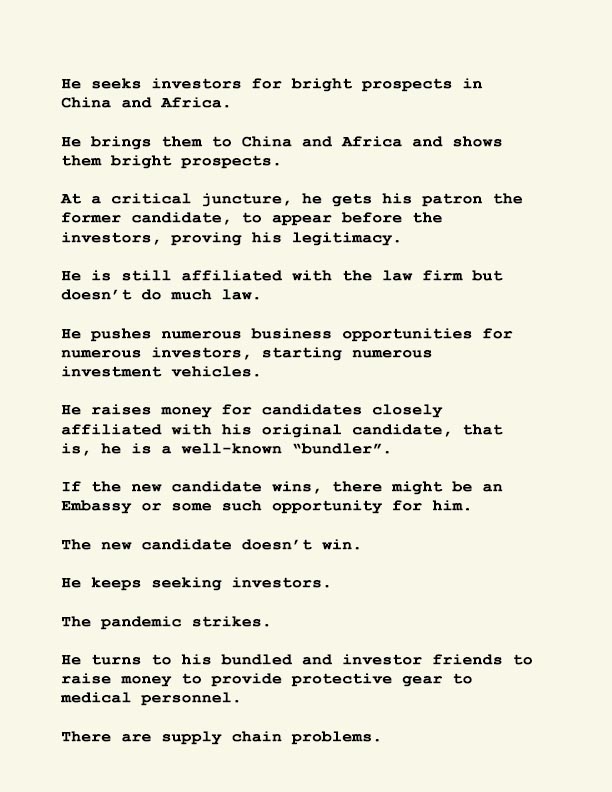
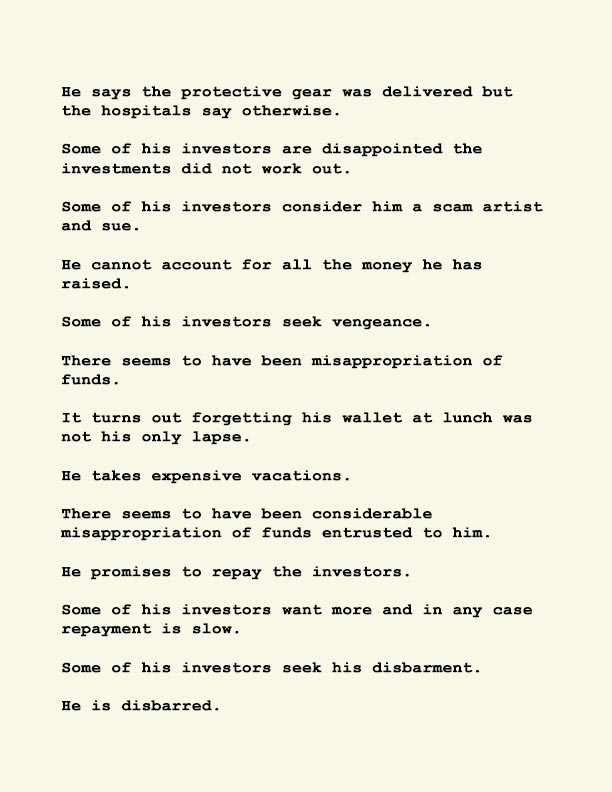
Haikai no renga is a form of renga (Japanese linked verse) practiced by Basho (1644-1694) and his disciples.  It consists of a 17 syllable verse and a 14 syllable verse provided in turn by the poets engaged in the collaboration.  In linking verses, a 31 syllable poem is produced, the latter verse of which (the 17 or the 14 syllable) will go on to join the next in the sequence to form its own unique poem, and so on until the requisite number of stanzas has been achieved.  Renga sequences can number into the hundreds.  Basho favored the economy of 36 stanzas.  Renku is diminutive for haikai no renga also known as haikai.  The more renowned Japanese verse form, haiku, is derived from the practice of amassing numerous hokku to vie for the privilege of opening a moon-viewing-sake-sipping evening of friendly literary collaborations.   Renga itself is derived from the courtly form of poetry exchanged by the aristocracy as exemplified in Lady Murasaki’s 11th Century The Tale Of Genji.  The rules of the composition for renga and haikai no renga are complicated and arcane, but like those of chess or go can be captivating and stimulating.  

For more on the intriguing subject of Japanese Linked Verse, see Earl Miner’s Japanese Linked Poetry (Princeton, 1979), Hiroaki Sato’s One Hundred Frogs (Weatherhill, 1983), and Haruo Shirane’s Traces Of Dreams (Stanford, 1998). 

A pdf facsimile of RandomRocks 2007can be found here.